
How Mattel consolidated 500+ digital properties on a single platform
Replacing operational friction with a unified platform built for speed, scale, and developer autonomy
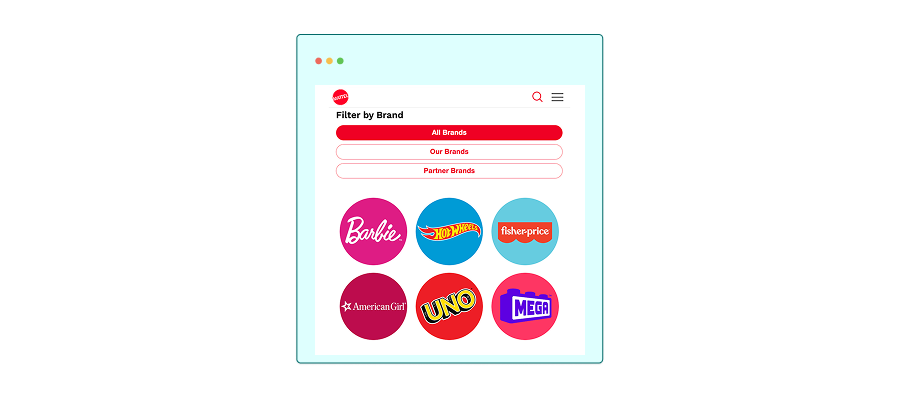
From the iconic American Girl dolls to Fisher Price and Hot Wheels, Mattel has been a household name in toy manufacturing long before the Barbie movie. When Mark Hall stepped into the role of Senior Director of Digital Technology five years ago, the challenge of managing over 500 digital properties became clear: the old stack simply wasn’t cutting it for Mattel’s enterprise-scale ecosystem any longer.
Combatting operational drag
Mattel’s digital properties were scattered across their own servers, as well as multiple cloud applications, making them nearly impossible to effectively manage. With issues cropping up day and night, it was “death by a thousand cuts,” according to Mark—and each problem, even basic ones, required extensive resources across sysadmin, cloud admin, network admin, and DevOps to fix.
Meanwhile, Mattel’s developers were constrained by infrastructure and architectural complexity. Mark identified the pressing need to consolidate technology into separate e-commerce and non-ecommerce stacks, with the goal of enabling full-stack developers to own delivery.
Platform consolidation with Netlify
From the start, Netlify was never going to be a one-off adoption, but a core digital platform for the company. After careful evaluation, Mark and his team found that Netlify was able to meet their long-term, strategic needs in a way that its competitors couldn’t.
Brand sites and corporate properties
- Corporate Mattel
- About Mattel pages (non-commerce sites)
Ecommerce extensions and add-ons
- Email preference centers
- Catalog management for toy collections
- App proxy extensions for Shopify features not offered natively
Backend services
- Lightweight services publishing products from PIM to Shopify instances
- Mix of consumer-facing websites and internal services
Through Git, CI-driven deployments are the default – giving teams faster, more reliable releases while still preserving flexibility for testing and experimentation. Serverless functions across 18 sites support dynamic use cases without adding infrastructure overhead, and built-in build and edge capabilities ensure consistent performance and scalability across a growing portfolio of sites.
Developer workflow transformation
After the migration, the developer experience at Mattel transformed. Full-stack developers now focus solely on React app development, no longer worrying about EC2 instances, Node.js installation, or network connections. Netlify handles security, scalability, and DevOps automatically, meaning developers can now solve business problems instead of managing infrastructure.
A continuous deployment flow eliminated the multi-hurdle, legacy process of old, while the ability to quickly remove unused applications increased overall deployment throughput.
And in even better news: Mark no longer receives harried late-night phone calls about digital emergencies.
Governance at scale
Three years into consolidation, Netlify continues to provide simpler management and consistency. With operational stability and a predictable, manageable ecosystem, only light governance is needed to maintain developer tool accessibility. The challenges now revolve around ongoing cleanup of projects that didn’t reach production, and achieving a balance between control and developer productivity.
Benefits & process improvements since switching to Netlify include:
- Everything on single platform for easier management
- Consistent cloud platform where everything has its place
- Single contact for problem resolution instead of multiple stakeholders
- Safe, agile environment with product management feature requirements
- Collaboration with creative staff for design comps and guidelines
- Lighter weight dev-to-test-to-prod promotion process vs previous infrastructure
Future forward: AI adoption at Mattel
Looking ahead, Mattel is focused on accelerating development even further through AI adoption. Teams are already encouraged to use AI tools daily to eliminate repetitive work, particularly around application setup, scaffolding, and common React patterns. This work aligns naturally with Netlify’s latest features like AI Gateway, Agent Runners and Observability.
“We continue to be impressed by the simplicity Netlify offers us, which has resulted in meaningful time and resource savings,” Mark shared. “With Observability, that simplicity extends further by giving us instant visibility into how our applications run in production, helping teams identify issues faster and stay focused on delivering reliable, high-quality experiences.”
By reducing time spent on setup and “plumbing,” Mattel’s engineers can stay focused on solving specific business problems: building faster without sacrificing quality or control. Alongside their new and improved infrastructure, modern workflows and deployment practices like these help pave the way for continued evolution and digital expansion at Mattel.